


Every child is unique, and so is the way they learn. Some kids process information best when they can see it laid out visually, while others need to talk through a concept or get hands on before it truly clicks.
As a parent, knowing which learning styles your child gravitates toward can make a world of difference — not just in their grades, but in how they feel about learning altogether.
When children are taught in a way that matches their preferred learning style, studying becomes less of a struggle and more of a strength.
The good news is, once you identify how your child naturally takes in information, you can start putting strategies in place that actually work for them.
So, do you know how your child learns best?
Here’s a look at the 4 key types of learning styles and how recognising them early can set your child up for long-term success in their education.
The Different Types of Learners and Why They Matte
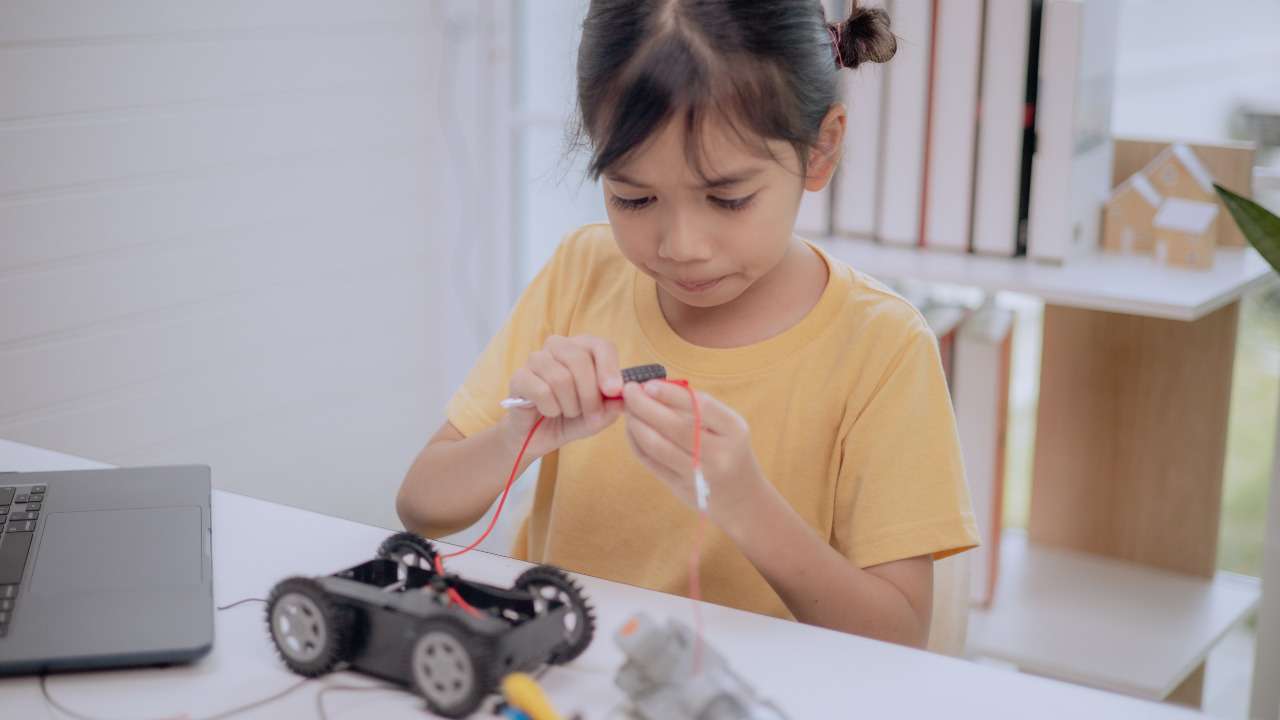
There are several types of learners, each with their own natural preferences for taking in and processing information.
While most children are a blend of more than one, understanding the different types of learning styles helps parents and teachers create a better, more supportive learning experience.
The 4 most widely recognised learning styles are
- visual,
- auditory,
- reading/writing,
- and kinesthetic
Knowing your child’s learning style is the first step to helping them study smarter, build confidence, and genuinely enjoy the process of learning.
Exploring the Four Main Types of Learning Styles
1. Visual Learners: Learning through seeing
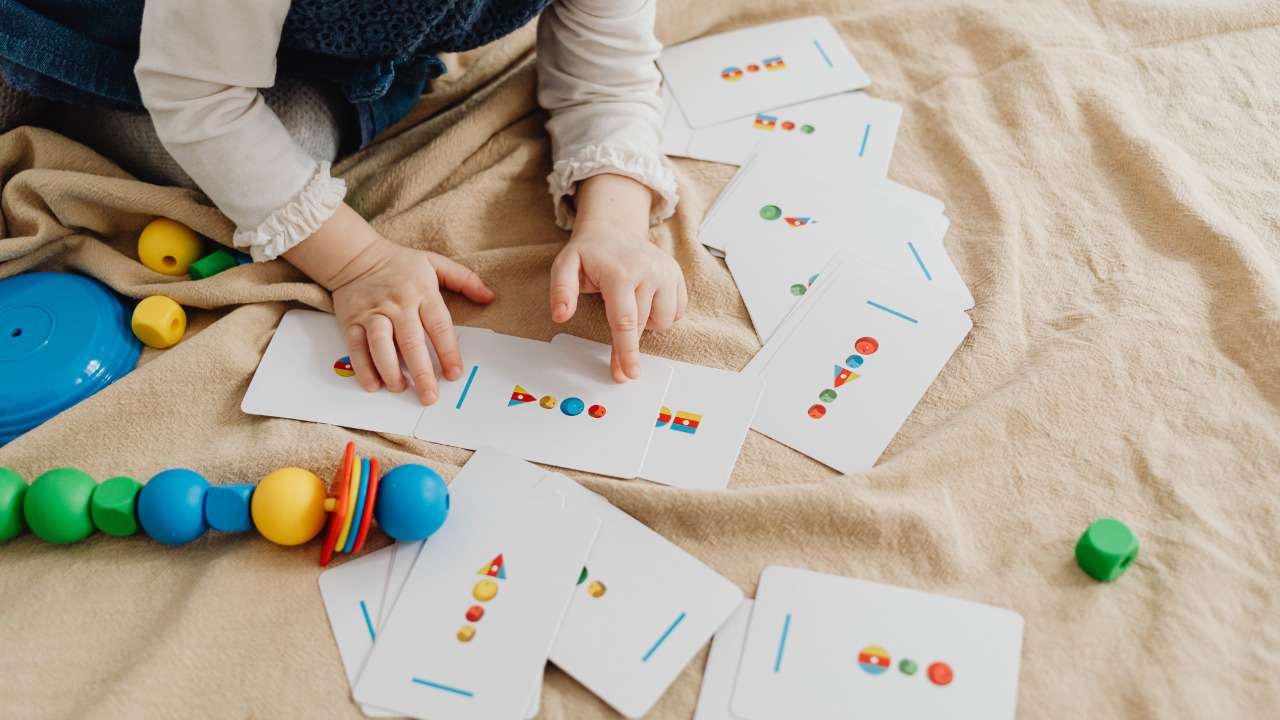
Visual learners prefer to take in information through images, diagrams, and spatial organisation.
If your child loves colour-coding their notes, instinctively draws out a concept to understand it, or finds that visual aids like charts and mind maps make a lesson click instantly — they’re likely a visual learner.
Strategies for visual learners include
- mind maps
- flashcards
- infographics
- illustrated summaries
These tools help them see the relationships between ideas and recall them more easily during exams.
Visual learning works particularly well for subjects with a lot of interconnected concepts, like science or geography, where seeing the big picture matters.
To support them at home, you can encourage them to sketch out concepts after each lesson or use colour-coded highlights when reviewing notes.
After all, the best way to reinforce visual learning is to make information as structured and clear to the eye as possible.
2. Auditory Learners: Learning through listening and speaking

Auditory learners thrive when information is delivered through sound and conversation.
These are the children who enjoy group discussions, remember things better when they hear them out loud, and often talk through a problem as a natural way to process it.
Don’t get them wrong, it’s not out of distraction, but because verbalising helps them think.
For auditory learners, reading in silence may not be the most effective learning method because they learn best through
- reading aloud
- listening to recorded lessons
- participating in group activities
- explaining concepts back in their own words
The act of speaking and hearing reinforces understanding in a way that written notes alone simply can’t replicate.
Try verbal quizzing at home instead of written practice papers as a first step, or simply ask them to walk you through what they covered in school that day — you might be surprised at how much they retain when given the chance to talk it out!
3. Reading/Writing Learners: Making sense of the world through words

Reading/writing learners process information best through written language — whether that’s reading detailed explanations or writing things out in their own words.
If your child fills exercise books with organised notes, prefers written instructions over verbal ones, or finds that summarising a lesson helps it stick, this is likely their preferred learning style.
These students do well with structured note-taking methods, written summaries, and text-heavy resources.
Rewriting key points from memory is especially powerful for retention, and assignments and essays are often where reading/writing learners naturally shine.
At home, you can encourage them to keep a study journal or jot down a few bullet points after each lesson.
Also, give them access to good written references — rather than relying solely on verbal explanations — will support their learning style preferences significantly.
4. Kinesthetic Learners: Learning through doing
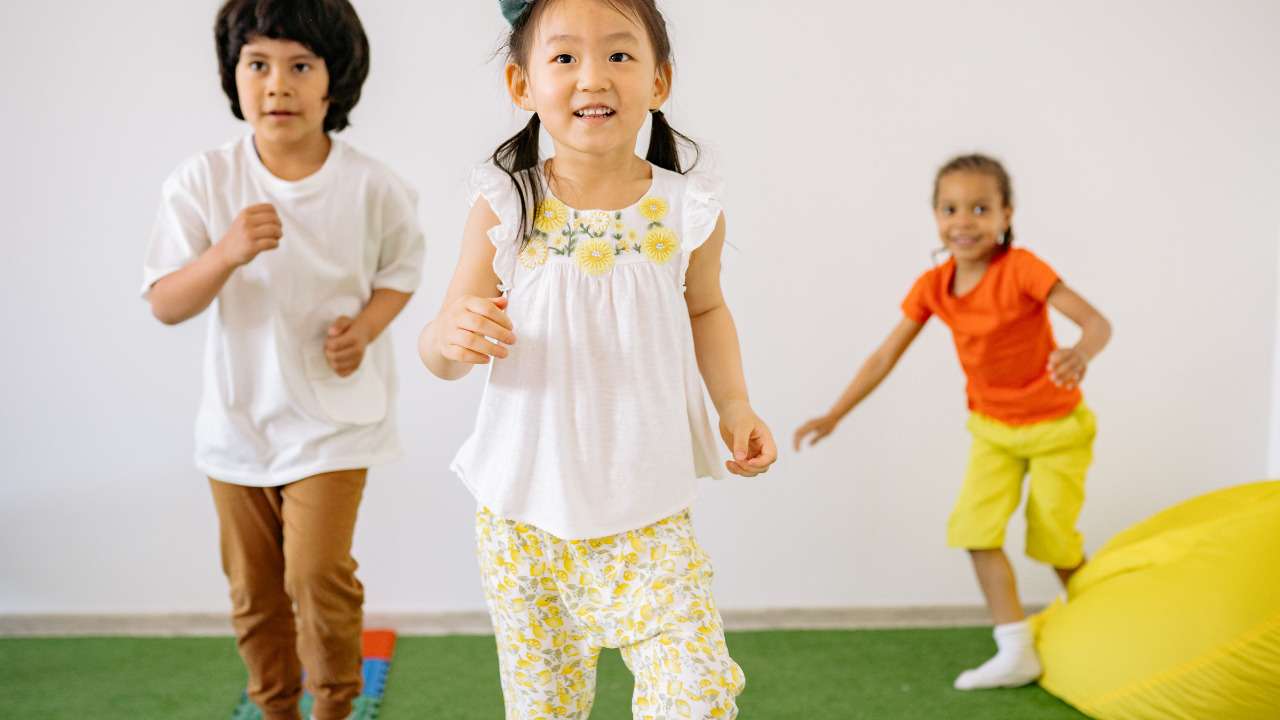
Kinesthetic learners are often the children labelled as “restless” or “easily distracted” in a traditional classroom. But in reality, they simply need to move and do in order to learn.
Kinesthetic learning is all about hands-on experience, physical activity, and real-world application.
These learners prefer to take in information by building, experimenting, and engaging with it directly rather than sitting passively and absorbing it.
Hands-on activities such as science experiments, role-playing scenarios, and using physical manipulatives for maths make abstract concepts far more tangible for these students.
Kinesthetic learners learn best when they can connect what they’re studying to something they’ve physically experienced or worked through themselves.
Strategies for kinesthetic learners include;
- breaking study sessions into shorter segments
- more active blocks or incorporating movement breaks between topics
- including movement-based activities and flexible seating
- finding real-life applications for what they’re learning
A hands-on learning environment makes all the difference, and recognising this early helps parents and teachers support them far more effectively.
Understanding Different Learning Styles Sets Your Child Up for Success
Understanding your child’s dominant learning style is the best way to equip them with the right strategies for learning in a way that actually works for them.
Most children show learning preferences across two or more styles, and that’s completely normal. The goal is simply to lean into what helps them learn best and build from there.
When children engage with their preferred learning style, they stop associating learning with stress and start developing the kind of self-directed habits that carry them well beyond primary and secondary school.
For parents, it also means fewer battles at the homework table.
If you’re unsure which style fits your child, start by observing how they naturally approach something new: do they doodle, talk it out, flip straight to a visual, or want to try it themselves?
These small habits are telling. From there, you can work with their teachers or a tutor to tailor their approach and create a more effective, personalised learning experience.
And if your child has been struggling to stay motivated to study, this guide on How to Get Motivated to Study shares 7 simple, practical ways to help them regain focus and momentum.
Start Your Child’s Learning Journey With The Nuggets Academy
Every child deserves to learn in a way that works for them, and that’s exactly what we’re here for!
Whether your child is a visual learner, an auditory learner, or somewhere in between, The Nuggets Academy’sprogrammes are designed to meet them where they are and help them grow with confidence.
Here’s what your child can look forward to:
- Personalised strategies tailored to your child’s learning style preferences and strengths
- Small class sizes that give every student the individual attention they need
- Experienced tutors who adapt to diverse learning styles with engaging, effective lessons
- A nurturing learning environment that builds both academic skills and self-confidence
- Programmes covering primary through early secondary levels across key subjects in the Singapore curriculum
Ready to find the best way to support your child’s learning? Let’s make it happen together.