


In Singapore’s fast-paced academic environment, students often find themselves juggling packed timetables filled with school, tuition, CCAs, family commitments, and social activities.
So, it’s no surprise that many feel there simply aren’t enough hours in a day.
But the truth is, everyone has the same 24 hours — it’s how you manage your time that makes the difference!
Time management for students isn’t just about fitting more into your day. It’s about learning to use time efficiently, setting priorities, and staying focused.
With the right time management skills, students can reduce stress, perform better in school, and still enjoy their free time.
Here are 10 practical time management tips that students in Singapore can start using today to make the most of their study hours without burning out.
1. Start with a weekly schedule
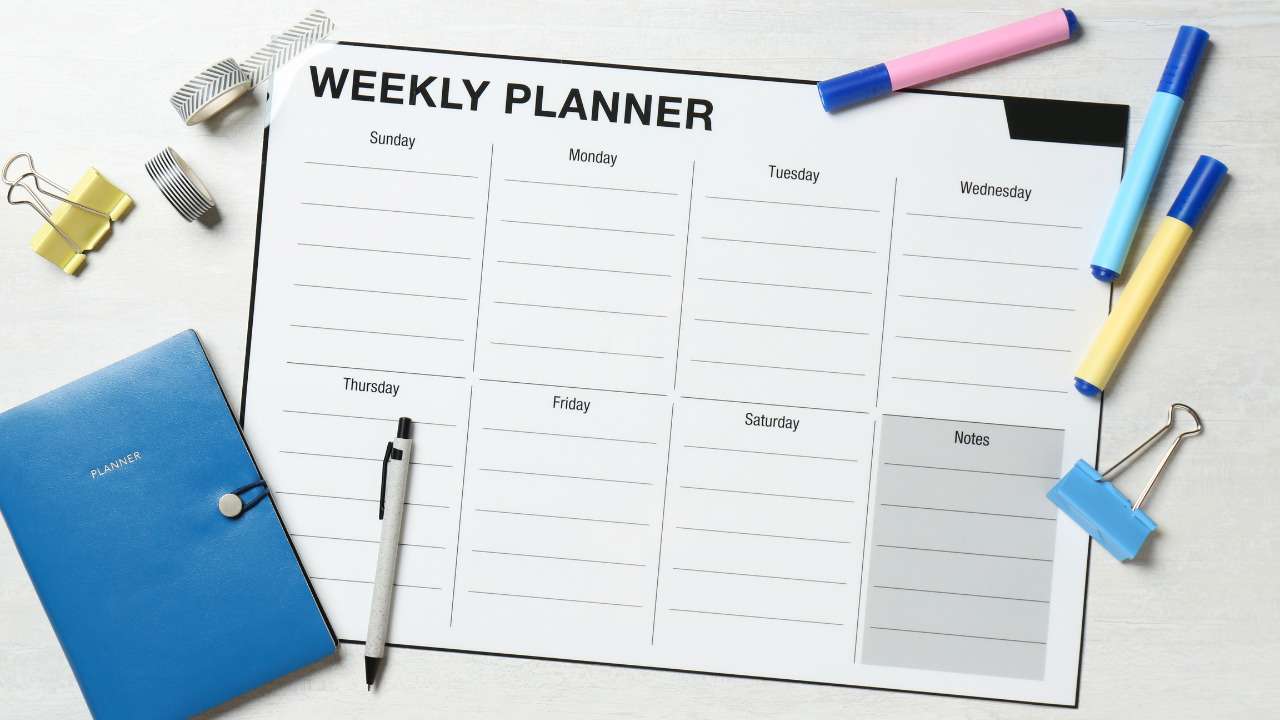
A good weekly schedule is the foundation of effective time management.
Start by listing all fixed commitments, like school hours, tuition sessions, and CCAs. Then, block out time for revision, rest, meals, and hobbies.
Use a physical planner, printable calendar, or mobile apps such as Google Calendar or MyStudyLife to keep everything organised in one place.
Having a visual overview of your week helps you see where your time is going and where you can fit in focused study time. This habit builds self-discipline and encourages better planning.
2. Set daily, achievable goals
Setting small, specific goals for each day can keep students motivated and on track.
For example, instead of saying “study Science”, set a goal like “revise Chapter 3 and complete 3 practice questions”.
This method trains your brain to stay focused on the tasks and gives a sense of accomplishment when each task is done. Time management is not about cramming, but about steady progress.
When students learn how to break goals down into manageable tasks, they build confidence and take control of their time.
3. Try the Pomodoro Technique

Need a method to improve focus and fight procrastination? Try the Pomodoro Technique:
- Study for 25 minutes
- Take a 5-minute break
- Repeat 4 times, then take a longer 15–30 minute break
This is one of the best time management techniques for helping high school students and upper primary learners manage longer tasks in short bursts.
It supports both concentration and mental stamina, giving students clear work and rest cycles.
If you need more time to adjust, try rearranging your time blocks and gradually build up your pace. The key here is consistency and knowing when to rest.
4. Prioritise your subjects wisely
Not all subjects need the same amount of time and effort every day.
A smart time management strategy is to rank subjects based on urgency and difficulty using the “traffic light” system:
- Red: Struggling subjects or upcoming exams
- Yellow: Subjects you’re okay at but need regular revision
- Green: Strong subjects that need less attention
This way, you can make study time more efficient by focusing energy where it’s needed most.
It can also help reduce the feeling of being overwhelmed by too many assignments.
5. Group similar tasks together

A lesser-known but powerful time management technique is task batching.
Group similar types of tasks together, such as:
- Reading-heavy subjects (English, History)
- Problem-solving tasks (Math, Science)
- Writing assignments (Essays, compositions)
This method helps the brain stay in a focused “mode” without needing to constantly switch gears.
Over time, students will see improved productivity and less mental fatigue.
6. Build in buffer time
When planning your calendar or daily schedule, don’t forget to add 10–15 minute breaks in the middle of major tasks or activities.
Buffer time allows for mental reset, unexpected delays (like traffic or overtime CCAs), and smoother transitions between classes or study sessions.
Time management is a skill that recognises real-life interruptions. By doing this, students develop better resilience and avoid the stress of falling behind on their schedule.
7. Use ‘dead time’ wisely

In a city like Singapore, many students spend time commuting or waiting for classes to start.
These are perfect pockets of “dead time” that can be turned into short, productive sessions.
Here are some ideas:
- Review flashcards on the bus or MRT
- Read through summary notes while waiting for tuition
- Mentally quiz yourself during short breaks
These quick sessions don’t replace deep study, but they help you reinforce memory and stay engaged, even outside the classroom.
8. Limit distractions during study
Phones, social media, and YouTube are common distractions that can easily eat into your time.
Practise self-discipline by:
- Studying in a phone-free zone
- Using focus apps like Forest or Focus Keeper
- Keeping only the necessary materials on your table
Most importantly, set boundaries: when it’s time to study, give your full attention. When it’s time to relax, enjoy it fully.
This balance supports both productivity and well-being.
9. Don’t forget rest, sleep, and fun

The importance of time management isn’t only about academics — it’s also about protecting students’ mental and physical health!
Skipping sleep or pushing through exhaustion isn’t sustainable or effective.
To avoid burnout, encourage them to take meaningful breaks, engage in hobbies, and maintain time for friends and family.
This promotes better focus when it’s actually time to study, and nurtures a healthier, more balanced life.
After all, managing time and energy wisely is what leads to long-term success, not constant overworking.
10. Review your week and adjust
Every Sunday (or end of the week), take 10–15 minutes to reflect:
- What study habits worked this week?
- Which subjects took more time than expected?
- Do I need to adjust my goals for next week?
This regular check-in encourages responsibility and flexibility. It also teaches students to adapt rather than follow a rigid system that may not work for them.
Time management is a lifelong skill, and every week is a new chance to improve.
Master your time, master your potential

Time management matters because it’s one of the most valuable resources students have, and how it’s used can shape both academic success and emotional well-being.
By applying these 10 time management strategies, students can find more control in their daily lives, reduce last-minute stress, and thrive both inside and outside the classroom.
Of course, personalised support can make a huge difference too — especially when it comes to tackling challenging subjects with confidence!
Looking to improve your child’s learning space too? Check out our article: How to Make a Study Space More Productive: 10 Easy Changes That Make a Big Difference
Discover smarter support at The Nuggets Academy
At The Nuggets Academy, we specialise in helping students succeed in English, Math, and Science — not just by teaching content, but by showing them how to study smarter.
Our structured lessons are designed to work with your child’s schedule, focusing on targeted support, small-group teaching, and customised strategies that make the most of their time.
Whether your child needs help with time management, exam preparation, or building stronger fundamentals, we’re here to guide them at a pace that works.
Experience how The Nuggets Academy can help your child gain confidence, improve results, and make the most of their time, contact us today to book a trial class.