


With online learning, homework platforms, and personal learning devices now part of everyday school life, it’s no surprise that many parents wonder how much screen time is too much for their child.
The answer isn’t as simple as counting hours. While younger children generally need stricter limits on recreational screen use, older students naturally spend more time on devices for school. What matters most is whether screen time supports learning without replacing sleep, physical activity, family time, and other healthy habits.
In this guide, we’ll break down Singapore’s recommended screen time guidelines, explain what healthy screen use looks like at different ages, and share practical strategies to help your child build balanced digital habits.
Why Screen Time Poses a Big Concern for Parents
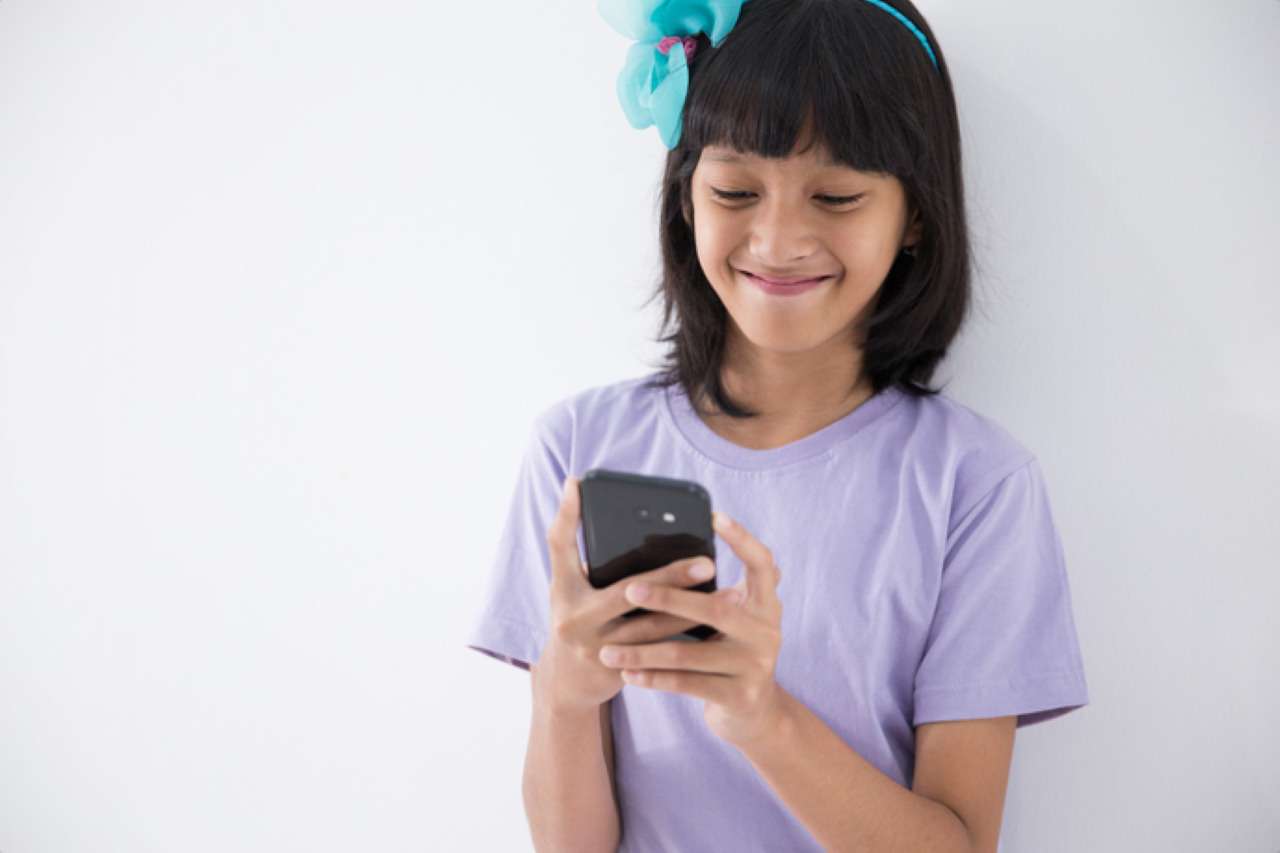
For many students, screens are no longer simply used for entertainment. Instead, they have become essential learning tools.
For one, the Ministry of Education (MOE) has integrated technology into classrooms through digital learning initiatives and the widespread use of PLDs.
Students are now expected to complete assignments online, access educational resources, and collaborate with classmates, among other things, through these tools.
That said, educational use often naturally extends into leisure activities. After completing homework, for instance, students may continue using their devices for gaming, video chatting, or browsing social media platforms.
That very transition between productive and recreational screen time can become almost seamless.
This is why parents should focus less on counting the minutes and more on understanding how screen use is divided between learning and unnecessary usage.
What Screen Limit Looks Like in Practice
When it comes to screen time limits, many parents imagine strict rules that ban electronic devices after a certain hour. In reality, effective limits are much more flexible.
On the one hand, excessive screen time can lead to a decline in your child’s growth. On the other hand, exceedingly strict monitoring of technology use can prevent them from learning or practicing independence.
As such, good screen time management considers:
- Educational activities
- Recreational activities
- Sleep
- Social interactions
As it stands, educational technology has become a part of modern schooling, especially with the digital learning initiatives implemented in Singapore.
Rather than trying to eliminate screen use, try to reduce screen time that provides little educational or personal value while continuing to support meaningful learning.
The Recommended Amount of Screen Time for Students

If your child is regularly spending close to 10 hours a day on screens, it’s worth taking a closer look at how that time is being spent and whether it’s affecting other areas of their health and daily routine.
While there is no single screen time guideline that fits every student, age remains an important consideration.
For a young child, recreational screen exposure should generally remain limited, and focus on creating opportunities for play, reading, conversation, and exploration.
As children grow older and begin formal schooling, educational screen use will naturally increase until they hit secondary level, where additional online access is required for assignments and digital learning.
Rather than applying identical rules across every age group, parents should develop age-appropriate expectations.
Here is a general screen time guideline from the Ministry of Health (MOH) for different age groups.
18 months to 6 years
For children aged 18 months to 6 years, it’s best to limit screen time to 1 hour of high-quality educational programmes a day outside of school.
7 to 12 years
Children aged 7 to 12 years should have no more than 2 hours of screen time, unless it’s needed for homework. You can also introduce the use of high-quality digital media aligned with learning goals.
13 to 18 years
While the MOH did not provide guidelines for this age group, parents can start encouraging responsible independence and self-regulation.
Overall, the emphasis of screen use should always remain on quality rather than simply quantity.
Does Too Much Screen Time Affect Academic Performance?
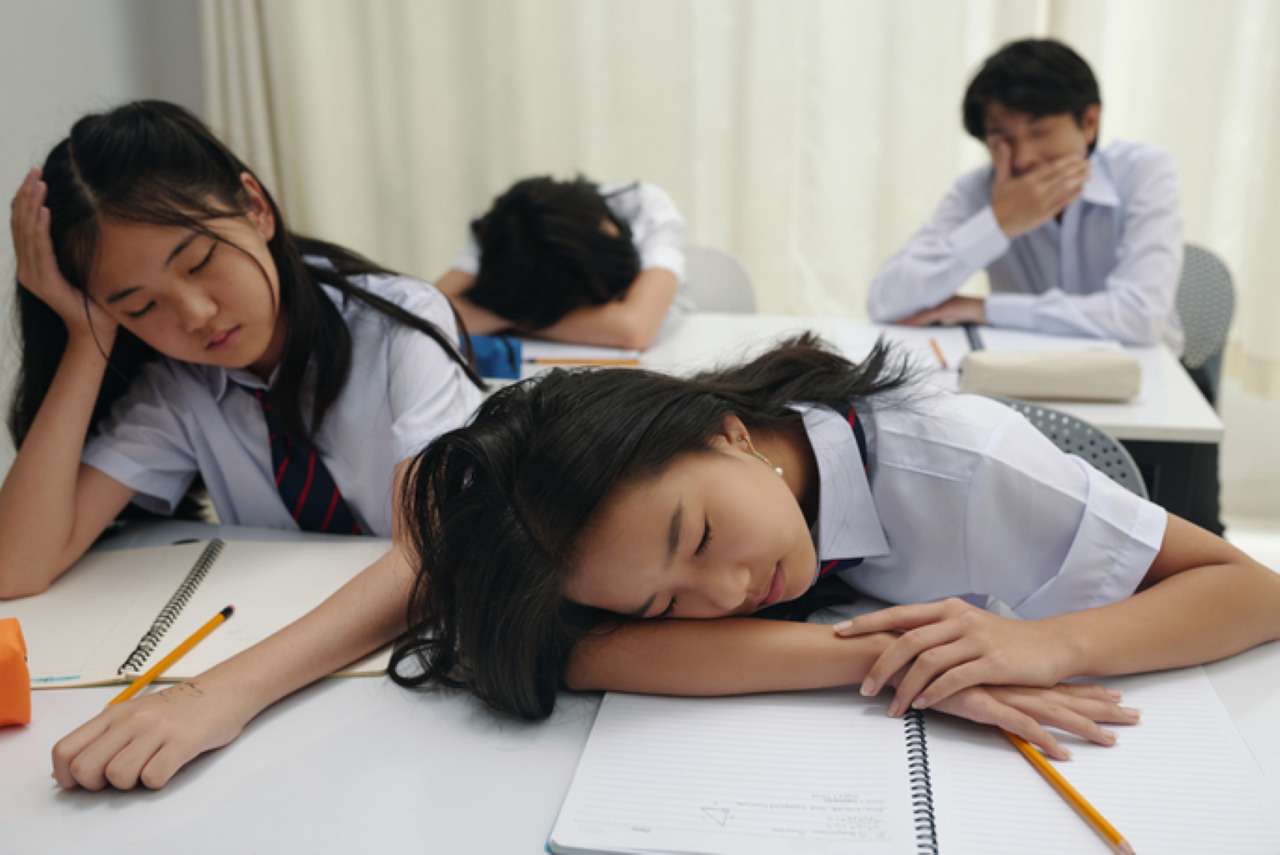
You may be worried that excessive screen time will automatically lead to poor grades. However, research suggests that the relationship is more complex.
Educational screen use often improves access to information and encourages independent learning. Students can watch instructional videos, participate in online discussions, and review lessons at their own pace.
Problems typically arise when recreational screen activities begin replacing study time, sleep, exercise, or face-to-face communication.
Here are some common warning signs to be aware of:
- Difficulty concentrating during lessons
- Procrastination caused by constant notifications
- Incomplete homework
- Reduced motivation
- Poor sleep quality
- Reduced social interactions
The issue is not simply the number of hours spent on devices, but whether students can switch effectively between learning and entertainment.
If your child struggles with studying, our article can guide you on how to keep them motivated to study at home.
How Screen Time Affects Your Child’s Physical and Mental Health
Long hours in front of screens may have negative impacts on a child’s health, particularly their physical and mental well-being, when balance is lacking.
Potential effects of increased screen time include:
- Eye strain from prolonged screen use
- Neck and shoulder discomfort
- Poor posture from using screens
- Reduced physical activity
- Sleep disruption
- Increased stress
- Weight gain
Not to mention, exposure to bright screens, particularly close to bedtime, can interfere with the body’s natural sleep cycle, which explains why increased screen time can sometimes lead to shorter sleep durations.
When it comes to mental health, some studies have found an association between heavy recreational screen use and poorer mental health, although the relationship is complex and likely influenced by several factors.
What’s more, in very young children, excessive unsupervised screen exposure has been associated with language delays and other developmental concerns.
Alongside moderate technology use, good mental and physical health in children depends on maintaining regular exercise, outdoor play, and sufficient rest.
Building a Healthy Screen Time Management at Home

Successful screen time management is rarely achieved through punishment or strict bans alone.
What you can do instead as parents is build healthy habits through consistent routines and open communication.
Here are some helpful strategies you can try to manage your child’s time spent on their electronic devices:
1. Set clear expectations
It’s best to set clear rules about screen use from a young age. These may include:
- Homework before entertainment
- Keep devices away from the dinner table
- No phones during family time
- Regular breaks during long study sessions
Be consistent with these boundaries, as it helps children understand expectations without the need for constant reminders.
2. Create screen-free times
Instead of banning technology completely, identify periods when your entire family should remain screen-free. This can be during:
- Family meals
- Outdoor activities
- Reading time
Other than that, you can also suggest putting screens away at least one hour before bedtime.
These regular breaks will also help kids recharge mentally as well as physically.
3. Establish screen-free zones
Another healthy way to manage how much time your child spends on their device is to have screen-free zones.
For instance, you can encourage placing mobile devices outside your child’s bedroom.
Teenagers reportedly use their phones right up to 30 minutes before they fall asleep. This rule can then prevent late-night use of electronic media and encourage healthy sleep routines.
4. Encourage alternative activities
Students need opportunities to enjoy free time without always relying on their devices.
Things like sports, music, reading, or art can strengthen creativity, independence, and problem-solving while reducing reliance on digital entertainment.
5. Take regular breaks
Too much screen time can be harmful to the eyes and ultimately cause headaches, which is why it is important for children to take regular breaks from their electronic devices.
In this case, the 20-20-20 rule is helpful in reducing eye strain caused by prolonged use. The rule goes as follows:
- Take a 20-second break
- Every 20 minutes
- Look at something 20 feet away
Teaching Responsible Digital Literacy
With technology becoming deeply integrated into everyday life, digital literacy is now just as important as reading or mathematics.
Students should learn how to be able to:
- Evaluate online information
- Protect personal privacy
- Recognise inappropriate content
- Communicate respectfully online
- Manage distractions
- Build positive online habits
Both parents and schools play important roles in helping children learn responsible media use.
Not only do these skills prepare students for school, but also for future workplaces and lifelong learning.
The Role of Parents in Screen Time Management

As parents, you are among the strongest influences on your children’s technology habits.
Kids often mirror the behaviour of the adults around them. If you constantly check your phone during meals or conversations, your child may view this as normal.
Here are some practical parenting tips to help you strengthen healthy on-screen time:
- Model balanced device usage
- Have regular conversations about online experiences
- Enable parental controls where appropriate
- Help children recognise unnecessary use
- Encourage independent decision-making as children mature
- Set reasonable limits on screen time use
- Review apps together
Instead of focusing only on restrictions, you can work alongside your child to develop digital boundaries that become self-managed over time.
When Parents Should Be Concerned
Occasional long study sessions or extra screen use during exam periods are not causes for concern.
Nevertheless, parents should pay closer attention if a child’s screen time consistently begins replacing important daily activities, considering that digital addiction is a real-life issue that can rewire the brain’s function and structure.
Possible warning signs may include:
- Persistent sleep problems
- Avoiding face-to-face interactions
- Loss of interest in hobbies
- Declining academic performance
- Irritability when devices are put away
- Decreased social skills
- Reduced real-world interactions
- Lack of physical activity
If these behaviours persist due to excessive use, families may benefit from discussing their concerns with teachers, healthcare professionals, or school counsellors.
Support Healthy Learning Beyond the Screen at The Nuggets Academy!
Digital learning has become a normal part of education in Singapore, but many parents still value the focus, interaction and personalised guidance that come with face-to-face learning.
At The Nuggets Academy, we complement your child’s digital learning with structured, in-person lessons that strengthen foundational concepts, build confidence and encourage active participation.
Whether your child needs support in English, science or PSLE math tuition, our experienced teachers provide the guidance they need to succeed in school and beyond.
Get in touch with us today to learn how our personalised tuition programmes can help your child develop strong learning habits both on and off the screen.